
As we transition into the winter season and prepare for the snowy and icy weather associated with the months ahead, please consider the tips below for staying safe in the community:
Winter Safety Tips
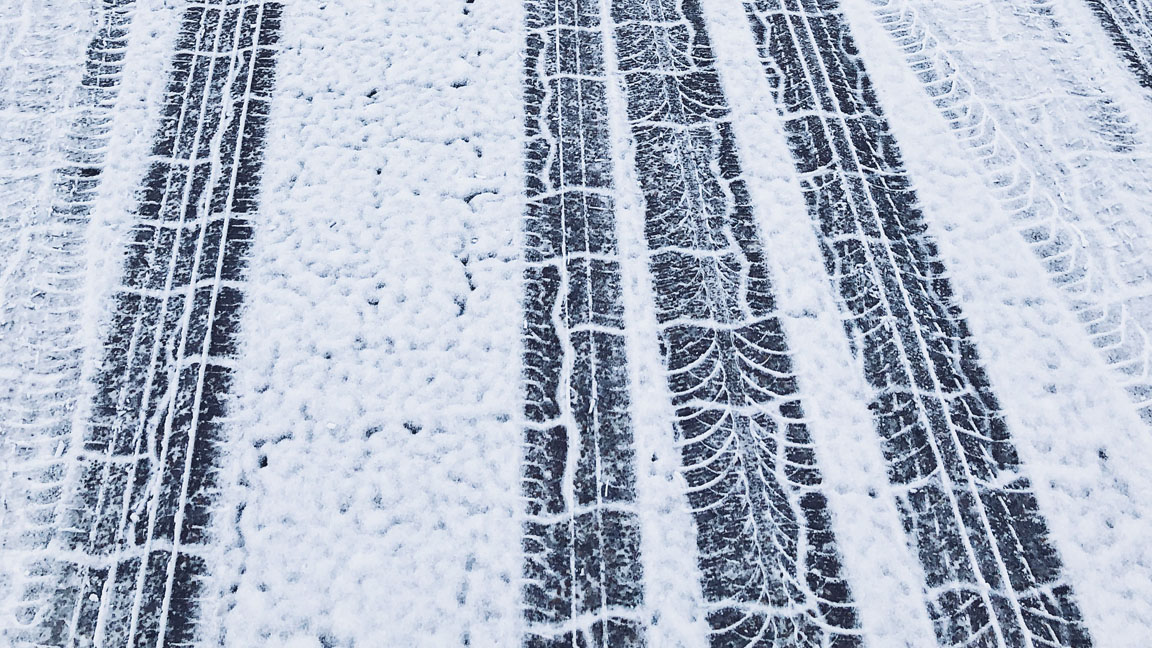
- Install winter tires on your vehicle and take your car for a checking/tune-up before winter
- Pack emergency kits to keep in your home and car – emergency kits should include flashlights and extra batteries, battery-operated radio, food, water, blankets
- Make sure your phone is fully charged before you leave the house and your car has at least half a tank of gas
- Check weather reports regularly. Environment Canada issues special alerts to notify Canadians in affected areas
- Wear proper winter clothing – including shoes with good traction for snow and ice to prevent slipping
- Allow for extra travel time to avoid rushing – if you are running late for any client visits, please make sure to not rush and call the office to let us know
- Avoid prolonged outdoor exposure
- Avoid strenuous activities. Overexerting yourself in the cold by shoveling snow or pushing a car can actually put a strain on your heart. Know your limits and make sure to respect them.
- Be prepared for winter ailments – keep your medicine cabinet while stocked with medicine for cold and flu symptoms
Winter Driving Tips
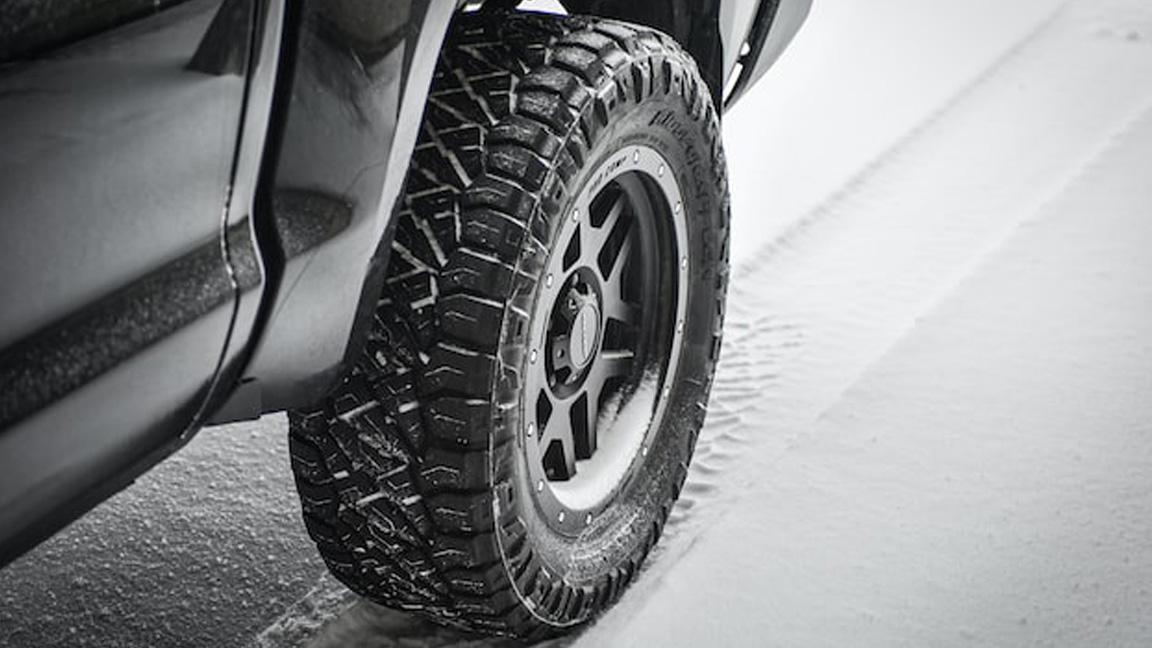
- Drive smoothly and slowly – don’t make abrupt turns or stops, allow for extra travel time so you don’t have to rush
- Keep a safe distance – don’t tailgate; stopping takes much longer on snow and icy roads
- Brake before making turns
- See and be seen – Clear your car of ice and snow before leaving and use your car lights
- Make sure you keep an ice scraper and snow brush in your car
- Plan ahead – avoid traveling in severe weather as much as possible
- Stay on main roads that are more likely to be better maintained
- Pay attention – avoid distracted driving, be alert, well-rested, and sober behind the wheel
- Avoid using cruise control
- Keep a bag of salt, sand, or kitty litter to help you get traction if your car gets stuck
- Do not hit the brakes when skidding on ice
- Be patient and pass other cars only when it is safe to do so.
- Keep a safe distance back from snow plows, and salt/sand/anti-icing trucks.
- Never pass a snow plow due to the whiteout conditions and ridge of snow created by the plow.
- Always wear your seatbelt
Winter Walking Tips
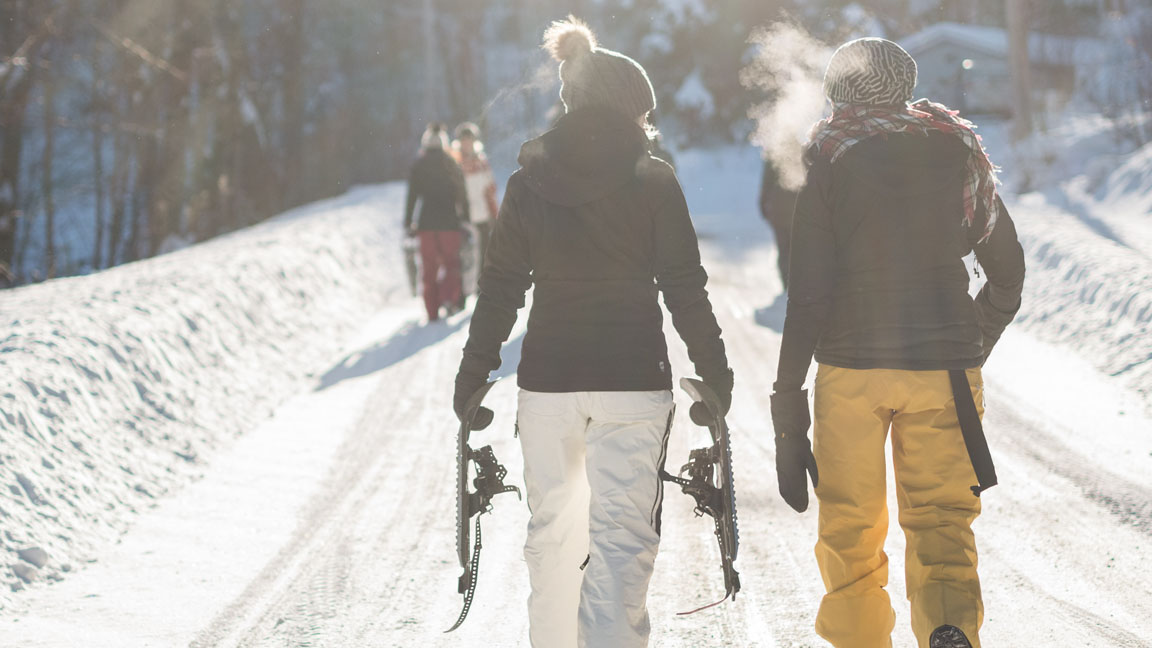
- Keep your hands out of your pockets when you walk – so you can catch yourself if you slip and fall
- Dress appropriately for the amount of time you’ll be spending outside – keep your head covered and wear layers of insulating fabrics (like wool). Don’t leave skin exposed in extreme temperatures and change clothing as soon as possible if it gets wet.
- Be aware of your surroundings
- Make eye contact with approaching drivers and cyclists before crossing the road
- Wear bright reflective clothing at night or during poor visibility
- Pay attention and don’t text while walking